.svg)
GOV.UK One Login: The Next Phase of Digital Government Access
An evergreen system-level overview of GOV.UK One Login, explaining how sign-in, identity verification, HMRC access, Companies House checks and digital government services connect within the UK administrative system.
Clear, information-only updates on how key UK systems work — from healthcare and identity checks to everyday administrative steps.
No opinions. No advice. Just structured information to help you navigate your first stages in the UK with clarity and confidence.
GOV.UK One Login
The Next Phase of Digital Government Access
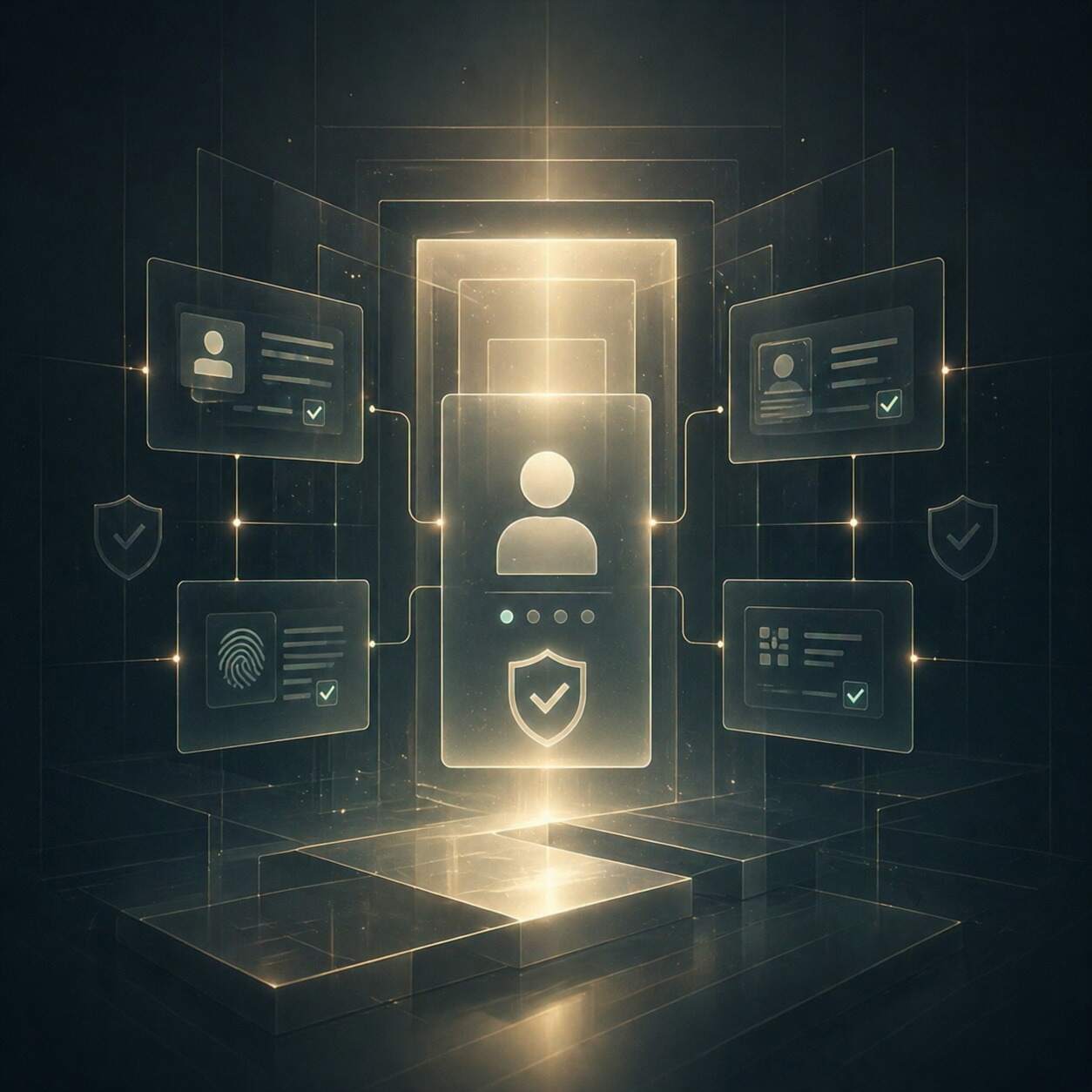
GOV.UK One Login is becoming a central access layer for UK digital government services.
It is designed to provide a single, secure way for people to sign in and, where required, prove their identity when using government services online.
This article provides a calm, information-only explanation of how GOV.UK One Login fits into the wider digital government architecture.
It does not provide legal, financial, tax, immigration or technical implementation advice.
1. What GOV.UK One Login Is
GOV.UK One Login is a government sign-in and identity-checking service.
It can support:
• signing in to participating government services
• proving identity where a service requires it
• linking a person to a secure digital account
• reducing the need for separate logins across services
It is not a private identity product.
It is part of the UK government’s digital service infrastructure.
2. Why One Login Exists
Historically, UK government services often used separate sign-in systems.
GOV.UK One Login is intended to reduce fragmentation by creating a more consistent route into digital services.
The system supports:
• simpler access
• stronger identity assurance
• fewer repeated account setups
• more consistent user journeys
• improved security across services
Its purpose is not only convenience.
It also supports trust, verification and service consistency.
3. Sign-In and Identity Verification Are Different Layers
One Login can involve two related but different functions:
• sign-in - accessing a digital government service
• identity verification - proving that the user is who they say they are
Not every service requires the same level of identity checking.
Some services may only require account access.
Others may require stronger identity proof before sensitive actions are allowed.
4. Where One Login Is Used
GOV.UK One Login is being adopted across government services.
It is relevant to systems involving:
• personal tax and HMRC access
• Companies House identity verification
• government account management
• document-based identity checks
• future digital government services
As rollout continues, more services may use One Login as the entry point.
5. What Data May Matter
Identity verification may rely on several data points, such as:
• legal name
• date of birth
• current address
• previous address history
• government-issued identity documents
• mobile device or app-based checks
• security questions or alternative verification routes
The exact route depends on the service and the identity verification method offered.
6. Why Verification Can Feel Strict
Verification can feel strict because government services need to protect:
• personal data
• tax records
• company records
• identity credentials
• public service access
• fraud prevention controls
Strictness is usually a function of risk, sensitivity and accountability.
It is not simply a user-experience choice.
7. How It Connects to Other UK Systems
GOV.UK One Login sits near several major system layers:
• HMRC and tax records
• Companies House and company roles
• digital identity verification
• address history
• official correspondence
• future GOV.UK Wallet and digital document services
This makes One Login part of a wider identity and access architecture.
8. Common Points of Confusion
Newcomers often confuse:
• GOV.UK One Login and Government Gateway
• signing in and proving identity
• creating an account and being verified
• One Login and a specific government department
• digital identity and immigration status
• account access and service eligibility
Most confusion comes from overlapping systems during a transition period.
9. Rollout and Transition
GOV.UK One Login is part of an ongoing digital government rollout.
Some services already use it.
Other services may transition in stages.
During rollout, different users may still encounter different access routes depending on:
• the service used
• previous account setup
• identity verification requirements
• whether the user is new or already registered
This transitional state can create uncertainty, especially for newcomers.
10. Why It Matters for Newcomers
For newcomers, One Login may become important because it can sit behind access to essential systems.
It may influence:
• how government services are accessed
• how identity is confirmed
• how records are connected
• how future digital documents are used
• how administrative journeys become more consistent
Understanding One Login helps explain why identity, address and access details matter across UK systems.
Final Thoughts
GOV.UK One Login is more than a username and password.
It is part of the UK’s wider move toward connected digital government access.
As more services adopt it, understanding its role can reduce uncertainty around identity verification, account access and administrative onboarding.